
The Physics
of First Impressions
A card that feels like everyone else’s is a missed opportunity.
We use specific print geometries to ensure yours is felt before it is read.
The Specification Index
Strategic finishes engineered for high-performance brand identity.
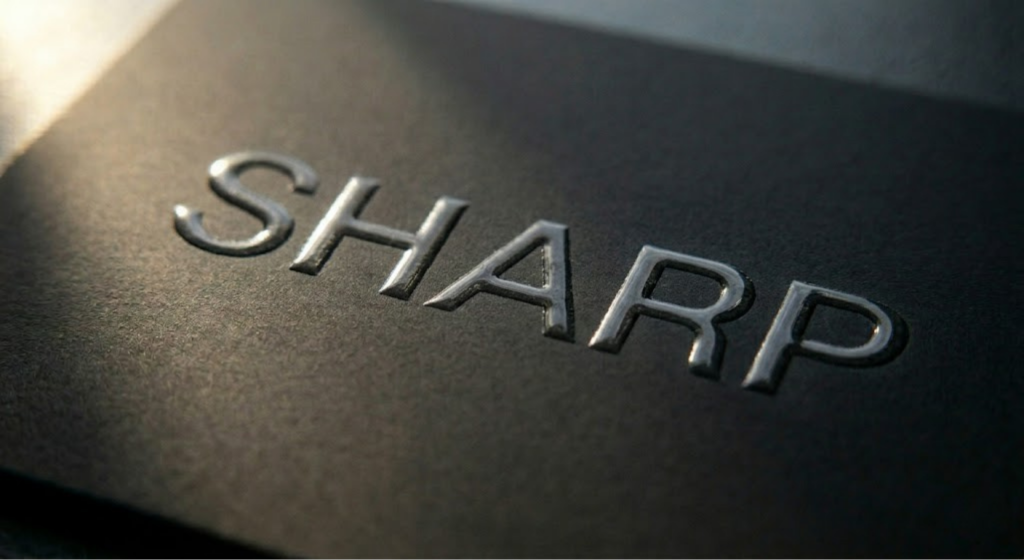
UV Emboss
Best for highlighting on dark matte stocks
Sharp, glass-like texture

Metallic Foil
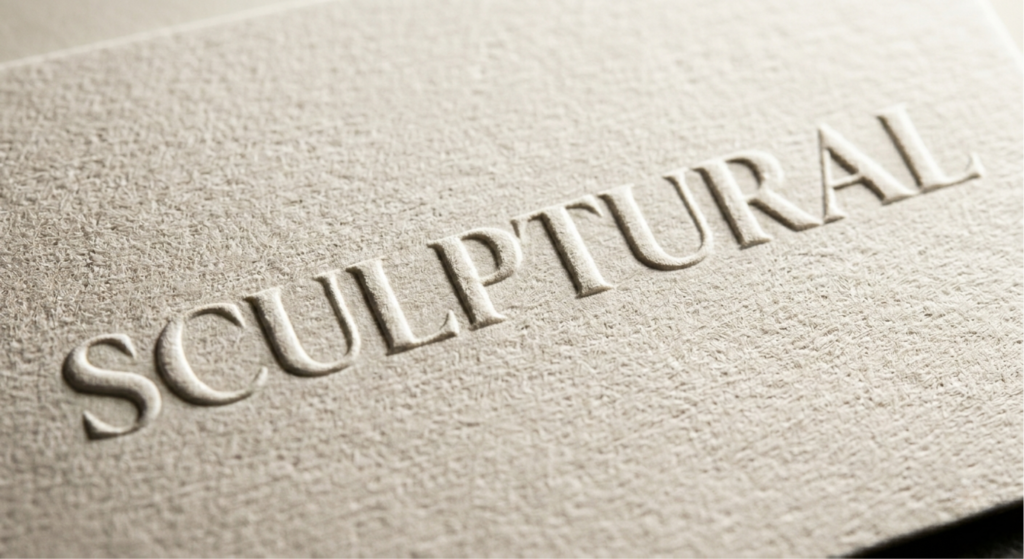
Blind Emboss
Best for tone-on-tone logos on matte covers.
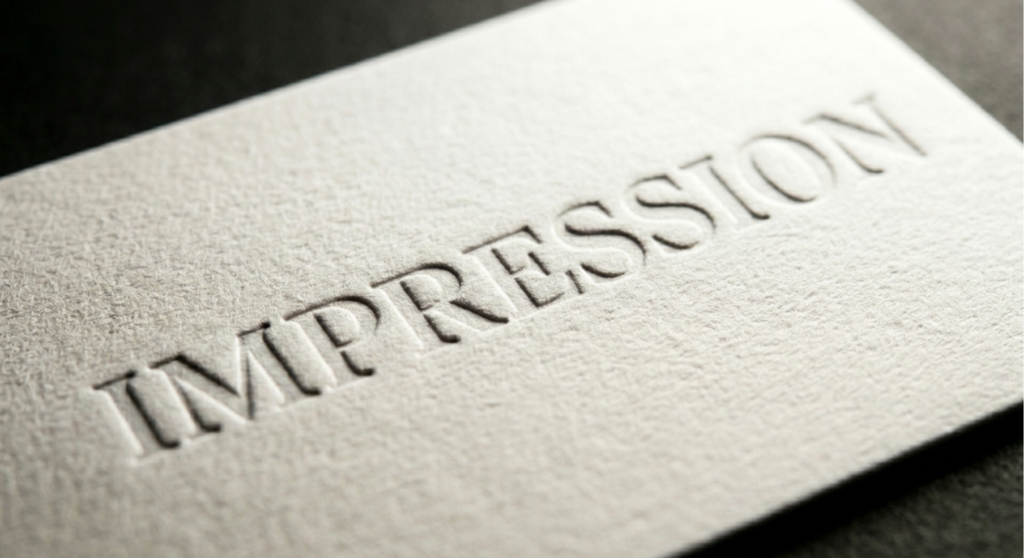
Letterpress
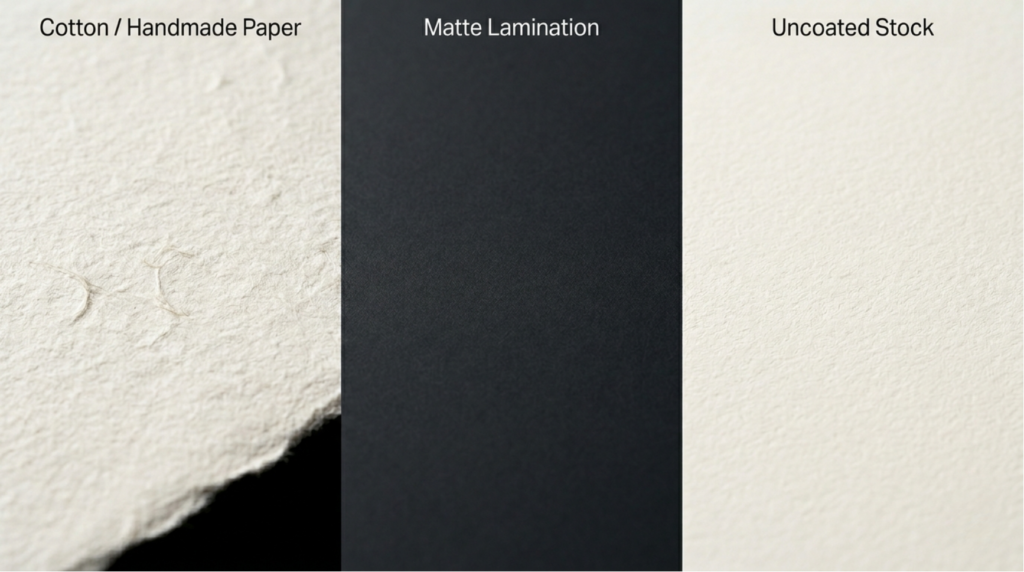
We work exclusively with 300–400gsm stocks. Nothing thinner makes the cut because a card that bends is a brand that bends.
Before You Ask
Can I combine Foil and UV?
Yes – and it’s one of our most requested combinations. Metallic foil lays down the reflective base; UV varnish then builds dimension on top of it. The result is a finish that catches light twice — once on the foil, once on the raised varnish. The only constraint is registration precision, which is why we handle both processes in-house.
How do these hold up in a wallet?
Better than standard cards because of the weight. At 300-400gsm, the stock resists the flex and compression of daily wallet use. Matte lamination adds a protective layer that prevents surface scuffing. Foil and UV finishes are heat-cured and pressure-set, so they don’t peel or crack under normal handling. A card you’ve had for six months should still look like the day it was printed.
What is the turnaround for blind emboss or letterpress cards?
Custom die creation typically adds 5–7 business days to your first order for letterpress or blind emboss cards. Once your die is made, it’s held on file. Repeat orders run on standard turnaround. If you’re working to a deadline, flag it at the brief stage and we’ll tell you honestly whether it’s achievable. We’d rather reset an expectation early than rush something that carries your name.